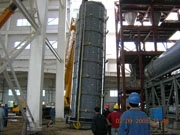
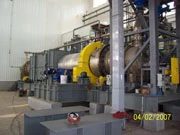
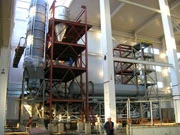
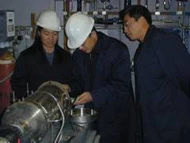
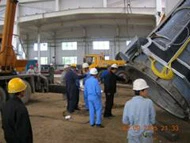
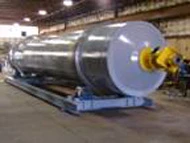
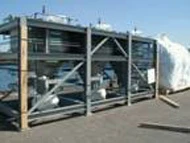
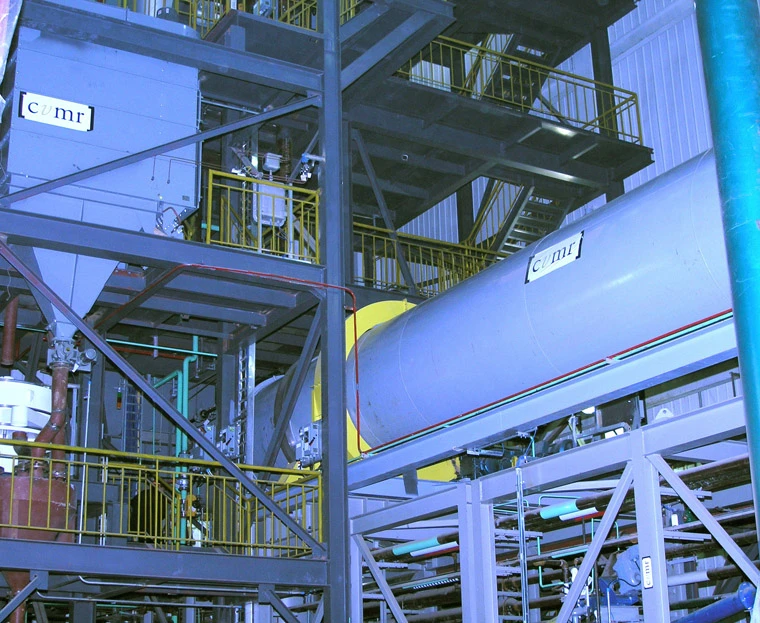
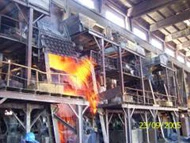
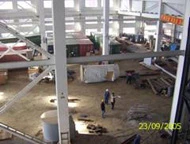
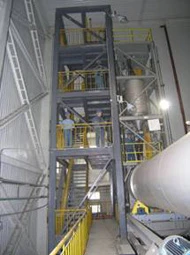
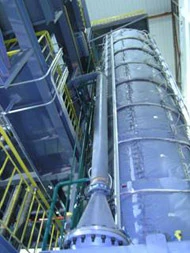
CVMR® designed, engineered, assembled and commissioned a module plant producing 2,000 tpa of specialty nickel powder, using high grade matt, mixed hydroxides and other intermediates as feed materials, with the capacity to expand to 8,000 tpa, at Jilin Jien Nickel Industry Co. Ltd. (“JJNI”), in the province of Jilin, China, in 2006. The operations started in 2007. This plant was later ramped up to full capacity and today it functions quite successfully. JJNI is highly specialized in and is famous for production of nickel salts and other high-value refined metal products and sets the benchmark in the market for these products in China. JJNI intends to expand its nickel production capacity to 45,000 tpa. In 2008, JJNI built an iron powder facility next door to the nickel carbonyl plant, based on the same process. CVMR® is a 20% shareholder in the JJNI’s holding company.
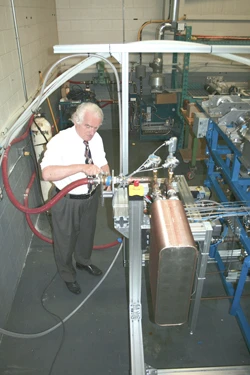
In Toronto, Ontario, Canada, CVMR® has complete refining laboratory and piloting facilities, with emphasis on Research & Development. CVMR has a substantial range of piloting equipment. The largest piloting plant in Toronto has a capacity of 500 tpa. These facilities can refine and conduct experiments with a wide variety of feed materials and produce a range of metal products, in the form of powders, foams, net shapes or coatings, using vertical static reactors, or rotary reactors.
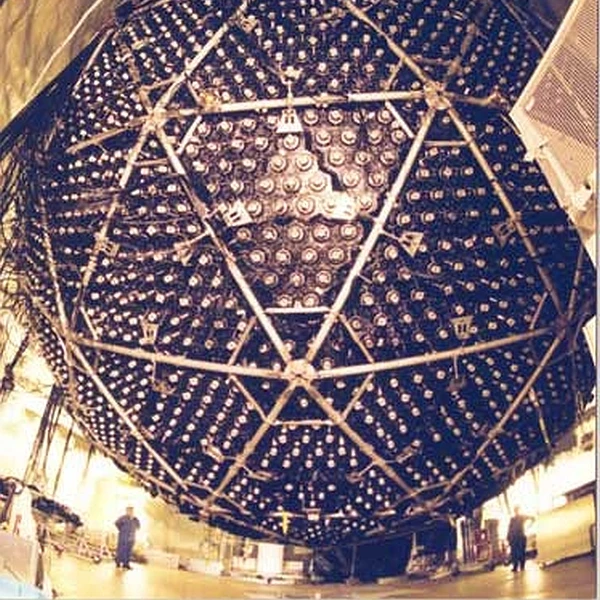
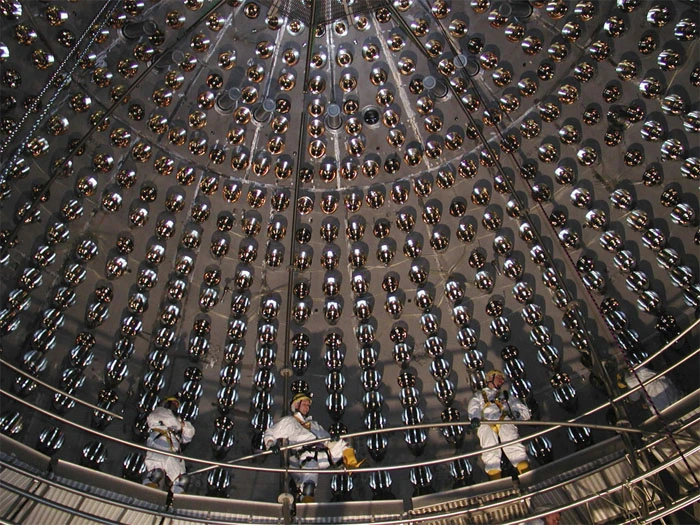
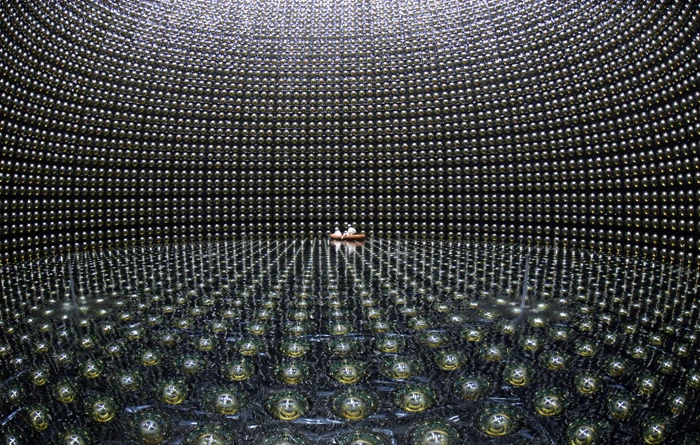
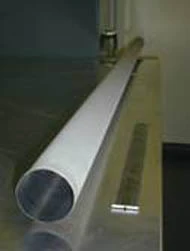
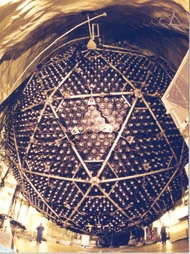
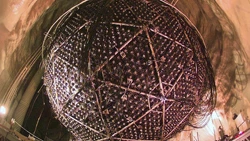
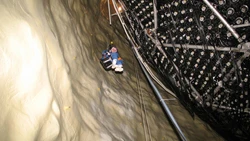
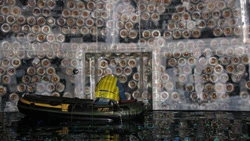
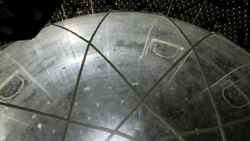
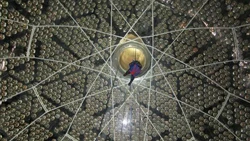
In Sudbury, Ontario, Canada our most famous project to date has been the SNO project in Sudbury, Ontario, in cooperation with Vale/Inco, as a Sponsor to the project. CVD Manufacturing Inc., a subsidiary of CVMR, was one of the main contributors to the project and the sole supplier of over 1,000 main detector tubes. Due to the high degree of purity of our final products, CVD Manufacturing was sole sourced by the multinational Sudbury Neutrino Observatory (SNO). The project has been a great success and continues to generate valuable data to the scientific community.
In Lahr, Germany, a CVMR® production facility for a specific vapour metallurgy process at Galvanoform Gesellschaft für Galvanoplastik mbH, was completed in 1998. The plant specializes in the manufacture of moulds and net shapes, mostly for the automotive industry.
In the United States, CVMR® has built a number of facilities and/or conducted a number of major projects with BWX Technologies, US Mint, Department of Energy, Department of Treasury and NASA. These operations continue to be restricted to the public.
CVMR®’s SNO Project
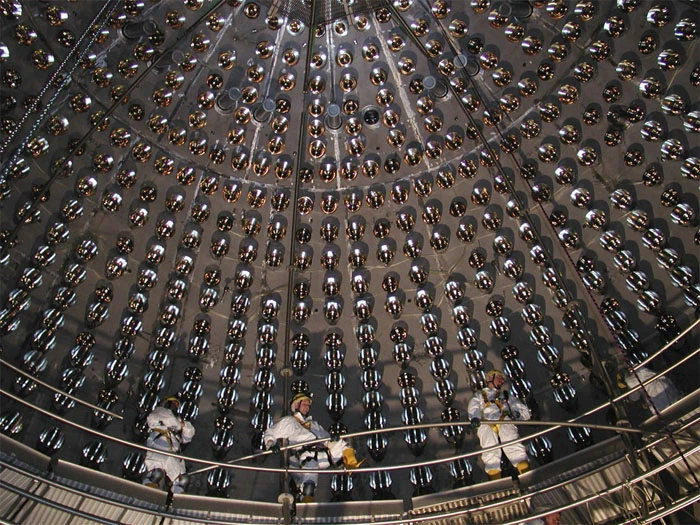
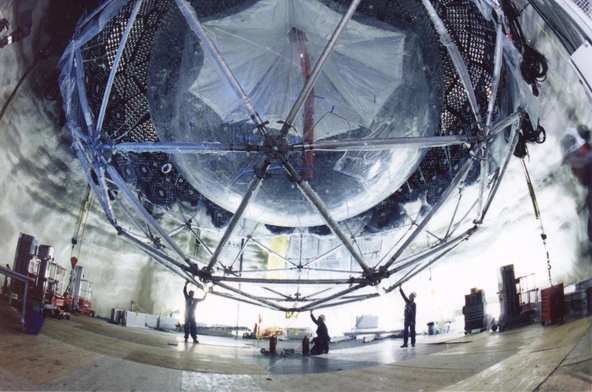
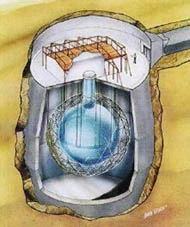
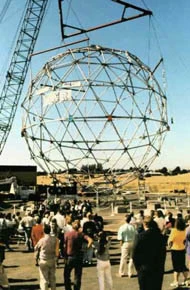
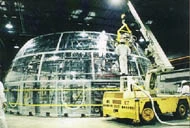
The Sudbury Neutrino Observatory (SNO) was a neutrino observatory located 2.10 Km underground at INCO’s Creighton Mine in Sudbury, Ontario, Canada. The detector was designed to detect the subatomic particles known as solar neutrinos through their
interactions with a massive tank of heavy water and 1,200 very pure nickel tubes manufactured by CVD Manufacturing Inc., a subsidiary of CVMR .
The detector was turned on in May 1999. The underground laboratory has been enlarged into a permanent facility and now operates multiple experiments.
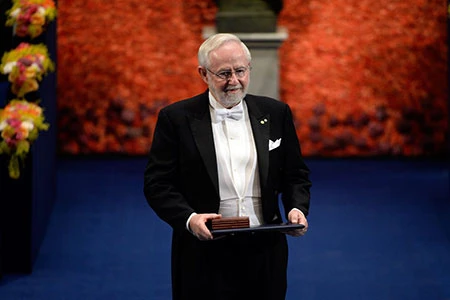
The director of the experiment, Dr. Arthur B. McDonald was co-awarded the Nobel Prizein Physics in 2015 for the experiment's contribution to the discovery of neutrino oscillation.
CVD Manufacturing Inc. The manufacturing arm of CVMR built and delivered1,200 highly purified nickel tubes, each tube was two meters in length, with a uniform thickness of 16/1000 inches, without any microscopic ripples or pinholes. The
purity of the tubes had to be 99.9999% and had to have absolutely minimum detectable radioactive emissions.
CVMR is proud to have contributed to the SNO project as the only privately held corporation in partnership with the governments of Canada, US and UK. SNO was the precursor to the European Organization for Nuclear Research, at CERN, which
is probing the fundamental structure of the universe. The name CERN is derived from the acronym for the French "Conseil Européen pour la Recherche Nucléaire".
Environmentally Neutral Nickel Refinery Using Vapour Metallurgy
Comprehensive overview of CVMR’s advanced nickel refining technology, focusing on environmentally neutral vapour metallurgy, high purity nickel production, and global industrial applications.
Advanced Nickel Refining for High Quality Industrial Demand
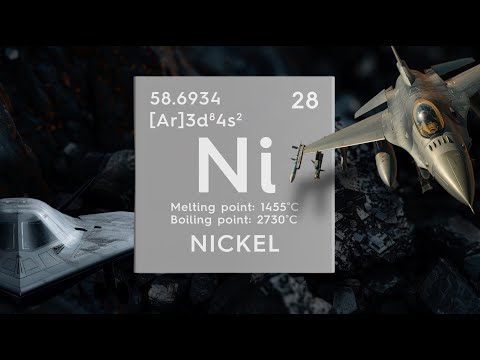
The global demand for high quality nickel continues to grow across aerospace, electronics, energy storage, automotive, and advanced manufacturing sectors. CVMR’s nickel refinery is designed to process nickel ores, concentrates, intermediates, recycled materials, and challenging laterite ores into refined nickel products suitable for demanding industrial applications.
Nickel Refining Using Vapour Metallurgy
CVMR specializes in nickel refining through a proprietary vapour metallurgy process. Unlike conventional smelting, this technology enables the extraction and purification of nickel from low grade ores and recycled feedstocks that traditional methods often reject.
The vapour based refining process operates in sealed, closed loop systems, significantly reducing environmental impact while eliminating typical smelting byproducts. This approach supports both technical performance and environmental responsibility.
Versatile Nickel Products and Custom Material Forms
The refinery produces a broad range of nickel based materials engineered for precision manufacturing and high performance use cases.
Nickel powders, suitable for metal injection molding, additive manufacturing, and powder metallurgy applications.
Nickel nano powders, including spherical and filamentary morphologies with customizable particle sizes for high precision manufacturing.
Metal coatings and net shapes, enabling nickel deposition on substrates and replication of master forms for tooling and specialized components.
Industrial Applications and Market Relevance
Refined nickel materials are engineered to meet the performance and reliability requirements of industries where purity and consistency are critical.
Aerospace and defense, components requiring material integrity and long term reliability.
Automotive and energy storage, nickel powders compatible with battery materials and energy system manufacturing.
Electronics and medical devices, fine powders and coatings requiring uniformity and stability.
Advanced manufacturing and 3D printing, powders and nano powders for additive manufacturing and metal injection molding processes.
Key Advantages of CVMR Nickel Refining
Adaptable feedstock processing, ability to refine ores, concentrates, intermediates, recycled nickel, and difficult low grade sources.
Customizable output formats, powders, nano powders, coatings, and net shape components tailored to exact specifications.
Controlled material quality, engineered particle morphology and size for consistent performance.
Integrated refining chain, from feedstock to finished product with minimized contamination risk.
Environmental Responsibility and Sustainability
The refinery operates as an environmentally neutral system using sealed vapour metallurgy. This eliminates emissions, toxic tailings, and liquid effluents typically associated with conventional nickel smelting.
The process aligns with global sustainability priorities, supporting clean manufacturing, resource efficiency, and responsible metal supply for modern industry.
Reliable Supply and Strategic Value
By accepting a wide range of feedstocks, the refining platform provides supply chain flexibility and resilience. This adaptability helps mitigate risks related to ore scarcity, geopolitical factors, and tightening environmental regulations.
High purity nickel powders, nano powders, coatings, and net shape components offer strategic advantages for industries where material performance is non negotiable.
Frequently Asked Questions
What is vapour metallurgy and how does it differ from traditional refining
Vapour metallurgy refines metals by converting them into vapour, enabling more effective impurity separation, reduced waste, and lower environmental impact compared to conventional smelting.
Why is nickel refining critical for modern industries
High purity nickel is essential for batteries, stainless steels, electronics, renewable energy systems, and advanced manufacturing technologies.
How does vapour metallurgy improve resource efficiency
The process maximizes recovery from both primary and recycled sources, reducing material loss while maintaining consistent product quality.
What environmental benefits does vapour based refining offer
It significantly reduces emissions, water usage, and hazardous byproducts while supporting climate and sustainability commitments.
Can vapour metallurgy support nickel recycling
Yes, the technology efficiently refines recycled nickel, reducing dependence on mining and extending material lifecycles through circular economy practices.
What industries benefit most from advanced nickel purification
Automotive, aerospace, construction, renewable energy, electronics, and advanced manufacturing sectors benefit from improved durability, performance, and corrosion resistance.
Get in touch
Contact Us
Tell us about your project, whether it is a feasibility study, a technology audit or a turnkey refining plant. Our engineering team will get back to you shortly.