
Cobalt
CVMR recovers cobalt by carbonyl chemistry from ore, concentrate, platinum group metal alloys and battery black mass, and converts it into refined metal and engineered powders.
The cobalt carbonyl route
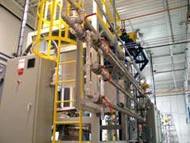
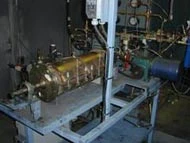
CVMR’s patented cobalt recovery process uses carbonyl chemistry to separate cobalt from materials containing nickel, iron and other constituents. The cobalt-bearing feed is first treated to form metal carbonyl compounds. Nickel and iron carbonyls are separated from the cobalt-bearing fraction, allowing the metals to be recovered through controlled stages of the process. The remaining cobalt carbonyl is treated with a mixture of nitric oxide and carbon monoxide to form cobalt nitrosyl tricarbonyl. This compound is separated and thermally decomposed to produce purified cobalt, while process gases can be recovered and recycled within the system. The process is applicable to cobalt-bearing ores, concentrates, metallurgical intermediates, by-products and secondary materials containing cobalt together with nickel and/or iron.
Cobalt in laterite ore and the economics of recovery
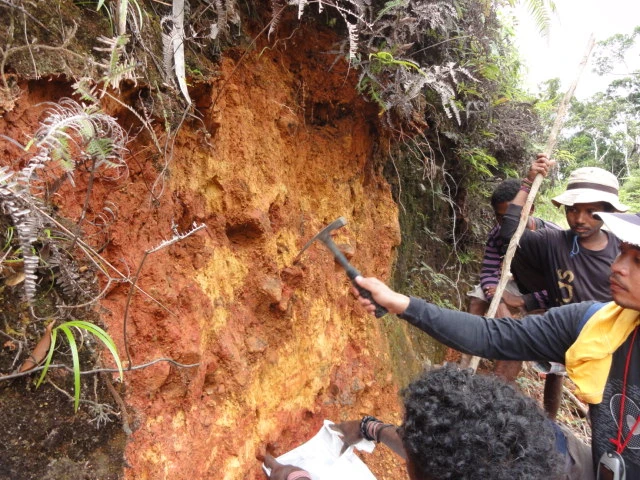
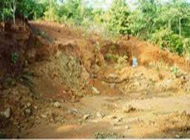
Iron-rich limonitic laterite, sometimes referred to as ferralite, can contain approximately 40–45% iron, 1–1.5% nickel and 0.04–0.10% cobalt. These ranges are representative of some lateritic ore bodies rather than a universal composition. Cobalt occurs at much lower concentrations than nickel and is generally recovered, when economically viable, as a by-product of nickel processing. Depending on the processing route, a significant portion of the contained cobalt may remain unrecovered. A refining process capable of recovering nickel, cobalt and iron as separate saleable products can capture value from a larger proportion of the contained metals than a process focused primarily on nickel.

| Processing route | Product split |
|---|---|
| Hydrometallurgical process | Nickel 88%, cobalt 12% |
| CVMR refining process | Nickel 50%, iron 43%, cobalt 7% |
| High premium products, CVMR process | Nickel 47%, iron 48%, cobalt 5% |
| Concentrating PGE, CVMR carbonyl process | Nickel 43%, iron 34%, cobalt 8%, copper 5%, platinum 5%, palladium 4%, gold 1% |
Cobalt nano-powder CNP-400
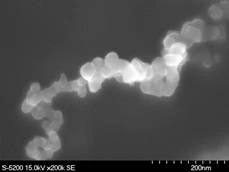
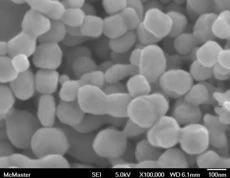
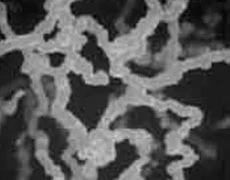
CVMR produces CNP-400 cobalt nano powder using its carbonyl-based powder technology. The process enables cobalt to be refined and converted into engineered nano-scale particles, with particle characteristics and morphology adjusted to meet specific application requirements. Cobalt nano-powders are used and investigated in applications that take advantage of cobalt’s magnetic and electromagnetic properties, including electromagnetic-wave absorption and shielding, magnetic fluids, high-density magnetic storage, magnetic inks and magnetic toner. CVMR’s nano-powder technology can also be used to produce cobalt-containing alloy powders, including ferro-cobalt compositions, to specified requirements.
Battery grade cobalt and recovery from black mass
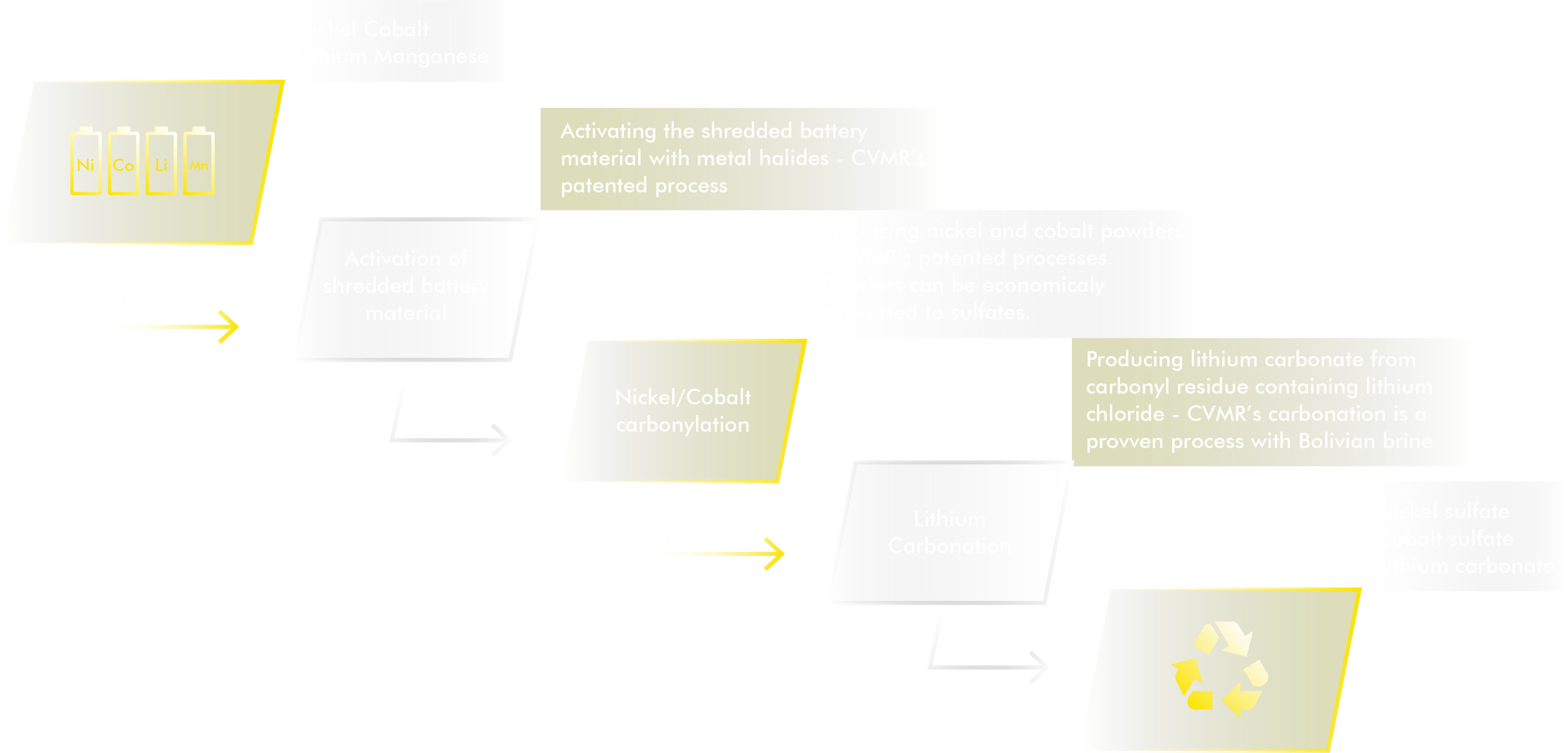
Battery black mass is an intermediate material produced from processed lithium-ion batteries and can contain lithium, nickel, cobalt, manganese and graphite, depending on the battery chemistry. These materials require further separation, refining and purification before they can be returned to industrial or battery-material supply chains. CVMR has developed processes for recovering metals from black mass. Its disclosed technology includes the separation of lithium from the black mass followed by further processing of the remaining material to recover non-lithium metals. This provides a route for recovering cobalt together with other valuable battery metals from secondary feedstocks. CVMR’s refining technologies are also designed to produce battery-grade lithium, manganese, nickel, cobalt and vanadium for use in battery-material supply chains.
Cobalt in platinum group metal concentrates
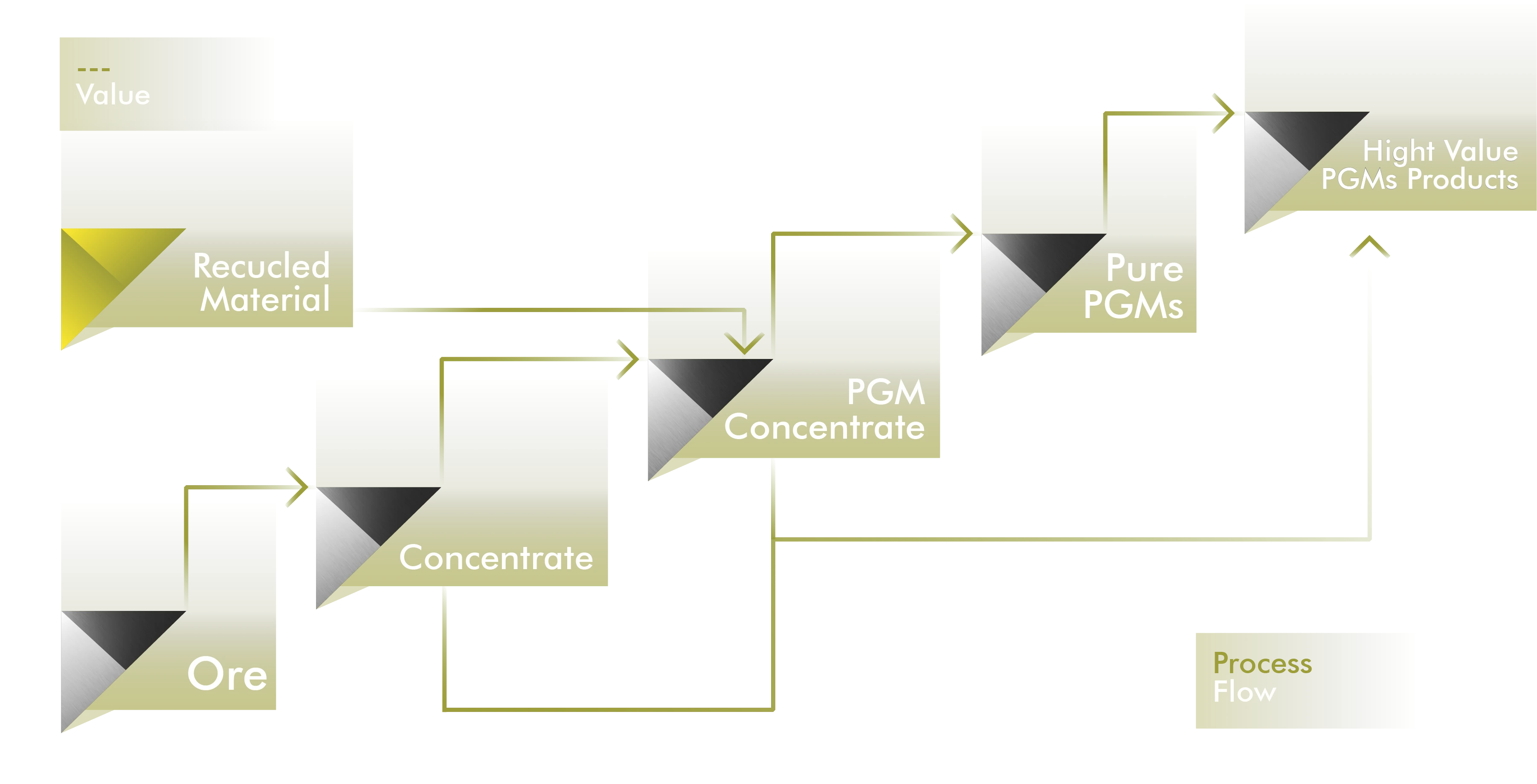
Platinum group metal concentrates and intermediate products can contain significant quantities of base metals, including nickel, iron and cobalt. Recovering these metals separately can both produce additional saleable products and increase the concentration of platinum group metals in the remaining material. CVMR applies its refining technologies to PGM-bearing materials to separate and recover base metals such as nickel, iron and cobalt while concentrating the platinum group metal fraction for subsequent refining. This approach allows value to be recovered from metals that might otherwise remain within the intermediate stream. CVMR has applied this capability in work involving PGM-bearing materials for companies including Braemore Resources, Sylvania Platinum and RAPPA Holding.
Separation from radioactive contamination
CVMR’s vapour metallurgy technologies can be applied to the separation and purification of metals from radioactively contaminated feedstocks. The process relies on selective chemical reactions that convert the target metal into a volatile compound, allowing it to be separated from contaminants that remain in the non-volatile residue. CVMR has developed decontamination systems for metals including nickel, iron, cobalt and platinum group metals and has carried out work related to radioactive metal recovery for the United States Department of Energy and Oak Ridge National Laboratory. For cobalt-bearing materials, this selective separation provides a potential route for recovering and purifying cobalt from suitable contaminated feedstocks while concentrating radioactive contaminants in a separate residue stream.
Environmental status
CVMR’s carbonyl refining systems are designed as closed-loop, hermetically sealed processes. Process gases used in carbonyl formation are recovered and recycled within the system, limiting the release of process gases during normal operation. The process operates at relatively low temperatures and pressures compared with conventional smelting routes and does not rely on a metal-melting stage. CVMR’s facilities incorporate gas-detection and process-monitoring systems designed for the safe handling of metal carbonyls. These characteristics allow cobalt and other carbonyl-forming metals to be refined through a contained chemical process rather than through conventional smelting.
Questions and answers
How does CVMR refine cobalt?
By carbonyl chemistry. Cobalt is converted to a volatile carbonyl compound, separated as vapour, and decomposed back into solid metal. The process was patented by CVMR in late 1999 for recovery of cobalt from concentrates and cobalt bearing materials.
Can cobalt be recovered from low grade laterite ore?
Yes. A typical ferralite ore carries only 0.04 to 0.10% cobalt. The carbonyl route is particularly effective for low grade nickel, iron and cobalt laterite deposits, with recovery directly from ore, matte or concentrate.
What is cobalt nano-powder CNP-400 used for?
Electromagnetic wave absorption and shielding in mobile telephones and sensitive instruments, ferromagnetic fluids, high density magnetic storage, magnetic inks, MRI contrast agents and magnetic toner for xerography.
Does CVMR produce battery grade cobalt?
Yes. CVMR can produce battery grade lithium, manganese, nickel, cobalt and vanadium, and refines elements for LMO, LMNO and LNCA chemistries.
Can cobalt be recovered from used batteries?
Yes. Battery black mass containing lithium, nickel, cobalt, manganese and carbon is processed as a feedstock.